


In the dark and symbolic world of the Ars Goetia, which is part of The Lesser Key of Solomon, there are 72 spirits described and bound by ancient ritual. Among them stands Duke dantalion demon, listed as the 71st spirit.
While many people focus on the more famous kings and princes of Hell, the dantalion demon remains one of the most mysterious and fascinating figures in the Goetia.
Unlike spirits known for chaos or destruction, Demon Duke Dantalion is associated with the mind, emotions, persuasion, and deep understanding.
He is often seen as a powerful yet misunderstood spirit. His energy is connected to wisdom, emotional awareness, and complex psychological influence.
For many occult practitioners, the dantalion demon is not feared as a force of harm, but respected as a guide in matters of thought, love, and hidden knowledge.
Demon Duke Dantalion is said to command 36 legions of spirits, a significant number in Goetic tradition. He holds the rank of Duke, which places him among the higher-ranking spirits.
The origin of his name is uncertain, as with many Goetic entities. Some believe it may come from a word meaning “to judge” or “to arbitrate,” which fits his role in understanding thoughts, emotions, and moral reasoning.
According to The Lesser Key of Solomon, Demon Duke Dantalion appears in the form of a man with many faces—both male and female—and carries a book in his right hand.

This powerful image is filled with meaning. The many faces represent his ability to see through different perspectives and understand the thoughts and feelings of others.
It is said that the dantalion demon can read the minds of men and women and even change their thoughts at will. He is also believed to inspire love, reveal hidden intentions, and show the image or likeness of any person.
The book he carries is often seen as a symbol of secret knowledge. This knowledge is not just about outer sciences or arts, but about the inner workings of the human heart and mind.
Demon Duke Dantalion is known as a teacher of arts and sciences, but his true strength lies in emotional insight, persuasion, and understanding the hidden layers of human nature.
For those who work with him, the dantalion demon represents deep introspection, emotional clarity, and influence over thoughts and relationships.
He is a spirit of the heart and mind—subtle, intelligent, and deeply psychological in nature.
Who is Duke Dantalion?
Demon Duke Dantalion is one of the seventy-two spirits listed in the Ars Goetia. He is known for his deep wisdom, his ability to influence thoughts and emotions, and his power of transformation.
Holding the respected rank of Duke, the dantalion demon is considered a powerful spirit who offers insight into the minds and feelings of others. Many seek his guidance for understanding, influence, and personal growth.
Demon Duke Dantalion is often called upon by those who want to gain greater wisdom, strengthen their persuasion skills, change someone’s thoughts, or explore the hidden parts of the human mind.
His abilities make him especially valued by individuals dealing with complex emotions, relationships, or major life changes. The dantalion demon is closely connected to emotional awareness and inner transformation.
He is commonly described as appearing in human form with many faces—both male and female. These faces are said to shift constantly, showing different emotions and expressions.
This unusual appearance represents his deep understanding of human nature in all its forms. His changing form reflects his control over thoughts, feelings, and perception.
In his hand, Demon Duke Dantalion holds a large book.
This book symbolizes his vast knowledge and his role as a teacher of arts and sciences. It is believed to contain hidden secrets of the universe, especially those connected to the mind, heart, and soul.
The image of many faces along with the book highlights the dual nature of the dantalion demon.
On one side, he represents wisdom and understanding.
On the other, he has the power to influence and manipulate thoughts. Because of this balance between knowledge and control, Demon Duke Dantalion is seen as a powerful spirit who should be approached with respect and caution.
Read : King Paimon demon of forbidden Knowledge and hidden truth 5 Magical powers to summon
Powers and Abilities of dantalion demon
The powers of Demon Duke Dantalion are wide and complex, making the dantalion demon one of the most versatile spirits described in the Ars Goetia. His abilities are connected to the mind, emotions, knowledge, and spiritual insight.

Here is a simple overview of his main powers:
1. Master of Thoughts
Demon Duke Dantalion is known for his ability to understand and influence human thoughts. It is said that he can read the mind of any person and even shift their thinking.
People may seek the dantalion demon to:
- Understand someone’s true intentions.
- Change a person’s opinion or viewpoint.
- Clear confusion or remove mental blocks.
Because of this strong mental influence, many believe working with Demon Duke Dantalion requires careful thought and responsibility.
2. Manipulation of Emotions
One of the most well-known abilities of the dantalion demon is his influence over emotions, especially love. He is often connected to matters of the heart.
His emotional powers are believed to include:
- Sparking love or attraction.
- Healing broken relationships.
- Restoring peace and harmony between people.
- Calming anger or reducing resentment.
- Encouraging loyalty and emotional bonding.
This makes Demon Duke Dantalion especially associated with emotional healing and relationship transformation.
3. Revealer of Visions
Another unique ability attributed to Demon Duke Dantalion is the power to reveal visions. He is said to show the image or presence of a person from anywhere in the world.
This power is believed to help with:
- Locating missing individuals.
- Gaining insight into someone’s current situation.
- Strengthening emotional connections across distance.
The dantalion demon is often described as a spirit who can bridge emotional and physical separation through vision and awareness.
4. Teacher of Arts and Sciences
Demon Duke Dantalion is also known as a teacher of knowledge. He is said to have mastery over many forms of art and science.
Those who seek his guidance may hope to:
- Develop new creative skills.
- Gain deeper intellectual understanding.
- Experience breakthroughs in study or research.
His teachings are often linked to inspiration, insight, and expanded awareness.
5. Mystic Understanding
Beyond thoughts and emotions, the dantalion demon is connected to deep spiritual wisdom. He is believed to help uncover hidden truths about oneself and others.
His guidance is associated with:
- Self-discovery and inner growth.
- Building empathy and emotional intelligence.
- Improving communication and persuasion skills.
In many traditions, Demon Duke Dantalion is seen as a spirit of profound understanding—one who works through the hidden layers of the mind and heart.
Read : 5 surprising powers of Foras demon and how to summon him for powers of invisible
How to perform ritual of Summoning Dantalion?
Like all spirits described in the Ars Goetia, Demon Duke Dantalion is said to require respect, preparation, and clear intention before any attempt to call upon him.
Traditional rituals connected to the The Lesser Key of Solomon usually include several careful steps.
A typical ritual may involve:
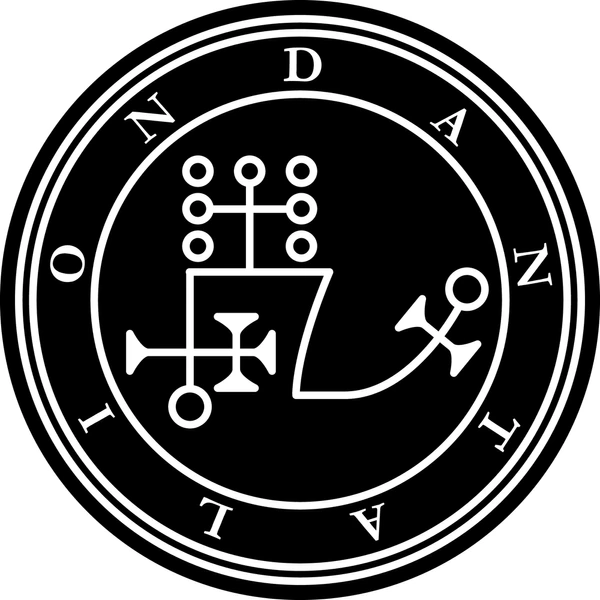
- Drawing the sigil of Demon Duke Dantalion on parchment or another sacred material.
- Creating a protective circle and speaking sacred names for protection.
- Reciting a formal invocation to request his presence.
It is believed that the dantalion demon responds best to those who approach him sincerely, especially with a desire for wisdom or personal growth.
At the same time, clear boundaries and mutual respect are considered important.
His abilities are described as powerful, and many traditions warn against using them for selfish or harmful reasons.
Warnings and Ethical Considerations
Working with Demon Duke Dantalion is often described as both rewarding and challenging. Because the dantalion demon is linked to influencing thoughts and emotions, this power can raise serious ethical questions.
Changing someone’s feelings or opinions may carry consequences, and intention plays a crucial role.
His teachings are also said to involve deep self-reflection.
Sometimes, this means facing uncomfortable truths about yourself or others. While such insight can lead to growth, it may feel intense or unsettling for those who are not prepared.
Dantalion in Modern Culture
Although Demon Duke Dantalion is not as widely recognized as figures like Lucifer or Beelzebub, he has gained attention in modern occult circles and storytelling.
His symbolism—many faces and a book of hidden knowledge—makes him an intriguing figure.
In literature and media, the dantalion demon is often portrayed as mysterious and shape-shifting, connected to themes of love, transformation, wisdom, and psychological influence.
He frequently appears as a character who walks the line between helper and manipulator, reflecting the moral complexity associated with his role.
Read : Summoning Vual demon the great duke of Hell and master of Influence Love and 3 hidden knowledge
The Legacy of Demon Duke Dantalion
As the 71st spirit in the Solomonic tradition, Demon Duke Dantalion holds a meaningful place in the infernal hierarchy. He is remembered as a spirit of knowledge, emotional insight, and vision.
Those who study or symbolically work with the dantalion demon often view him as a guide into the deeper layers of the human mind and heart.
Whether seen as a spiritual teacher, an archetype of psychological power, or a symbol of human complexity, Demon Duke Dantalion remains a fascinating figure in demonology.
His many faces represent the layered nature of human identity, while his book stands for lifelong learning and hidden wisdom.
For those drawn to his symbolism, the dantalion demon represents not only influence and understanding, but also the responsibility that comes with knowledge and power.
Modern Myths and Magical Workings
In modern occult communities—especially among practitioners who follow Luciferian, demonolator, or chaos magic paths—Demon Duke Dantalion has developed a quiet but loyal following.
Unlike dramatic horror portrayals, the dantalion demon is often viewed as a spirit connected to psychology and emotional insight.
Many see him as a guide who helps untangle emotional confusion, unhealthy attachments, or difficult decisions in matters of the heart.
Love and Emotional Matters
One of the main reasons people turn to Demon Duke Dantalion is for help with complicated love situations. He is often associated with:
- Encouraging affection between people.
- Easing the pain of unreturned love.
- Calming emotional tension in relationships.
- Gaining clarity about someone’s true feelings.
Some critics describe this kind of spiritual work as manipulative. However, those devoted to the dantalion demon often believe he does not force love. Instead, they say he reveals hidden feelings, clears emotional blockages, and creates understanding where there was once distance or confusion.
Shadow Work and Self-Discovery
Demon Duke Dantalion is also linked to shadow work—the practice of exploring hidden fears, desires, and emotional wounds. His many faces are often seen as a symbol of the many sides of human identity.
He is believed to help people confront parts of themselves they may have ignored or denied.
For those dealing with emotional struggles or intense personal growth, the dantalion demon is described as a presence that encourages reflection. Rather than removing pain, he is said to reveal its source and meaning.
This deeper awareness can lead to healing through understanding.
Warnings and Precautions
Like all spirits mentioned in the Ars Goetia, Demon Duke Dantalion is approached with caution in traditional practice.
Even though many consider him more balanced or calm compared to other Goetic spirits, he is still believed to act according to his own nature.
It is often said that the dantalion demon may reveal truths that are difficult to accept.
This could include emotional dishonesty, hidden weaknesses, or uncomfortable realities within relationships. While some people experience this as healing, others may find it overwhelming.
Because of this, many practitioners advise against working with Demon Duke Dantalion if the goal is purely control or manipulation. His lessons are often described as centered on honesty and humility.
Invoking Demon Duke Dantalion
Modern approaches to connecting with the dantalion demon vary. Traditional methods connected to the The Lesser Key of Solomon may involve ritual circles and formal invocations.
However, some contemporary practitioners prefer a more symbolic and respectful approach.
Common elements may include:
Preparing a calm ritual space, often connected to the element of Air, using incense, feathers, or books.
Lighting candles in colors associated with him, such as blue, green, or purple.
Chanting his enn:
“Avage Secore Dantalion On Ca”
Clearly stating one’s intention.
Offering gratitude afterward through art, reflection, or incense.
Many modern demonolators describe this process less as commanding a spirit and more as inviting a wise presence for guidance.
Read : The Asmodeus demon of gambling and winning 2 Powerful Rituals and Prayers To Change Your Luck
Final Thoughts: Demon Duke Dantalion as a Mirror
Demon Duke Dantalion is often seen not as a force of external change, but as a mirror of inner truth. The dantalion demon represents emotional awareness, hidden thoughts, and unspoken feelings.
He is neither purely harmful nor purely benevolent, but symbolic of deep understanding.
In spiritual symbolism, he can remove illusions, clarify emotions, and reveal what lies beneath confusion. His many faces reflect the complexity of human nature, and his book represents knowledge waiting to be understood.
For those drawn to his archetype, Demon Duke Dantalion symbolizes insight, emotional clarity, and the courage to face uncomfortable truths.
In a noisy world full of distraction, he is often described as a quiet voice of understanding—one that speaks only when someone is ready to listen.
FAQ
Q. Who is Demon Duke Dantalion in Goetia demonology?
Demon Duke Dantalion is a powerful spirit listed as the 71st entity in the Ars Goetia, part of The Lesser Key of Solomon. He holds the rank of Duke in Hell and commands 36 legions of spirits. Dantalion is known for deep knowledge of human thought, emotions, and secret counsel, and he is traditionally portrayed as a teacher of arts and sciences.
Q. What are the key powers of the dantalion demon described in occult texts?
The dantalion demon’s main powers include reading and influencing thoughts of any person, revealing hidden intentions, causing love and emotional insight, and teaching arts and sciences. He is also said to show visions of individuals anywhere in the world. These abilities make him associated with psychological understanding and emotional intelligence.
Q. What does Demon Duke Dantalion look like in traditional descriptions?
Traditionally, Demon Duke Dantalion appears as a human-like figure with many faces—representing men and women—that shift or surround him. He often holds a large book in his right hand, symbolizing vast knowledge and secret wisdom. This imagery reflects his mastery over human thoughts and emotions.
Q. Can Dantalion demon influence human emotions and relationships?
Yes. According to occult sources, Dantalion can influence emotions, create harmony, ignite love, and help clarify what someone else really feels. His connection to emotional insight and empathy makes him sought after in spiritual practices concerned with relationships, understanding others, and inner emotional clarity.
Q. How is Demon Duke Dantalion’s sigil used in ritual or study?
In ceremonial magic traditions, practitioners sometimes use the sigil of Demon Duke Dantalion as a symbolic focus to represent his influence. It may be drawn or displayed as part of meditation, invocation, or study of his attributes. The sigil is often shown within a simple circle and can be used for personal reflection or devotional practices tied to his domain of knowledge and psychological insight.


