Hinn jinn in Islamic mythology are considered one of the earliest forms of jinn to inhabit the Earth before the creation of humankind.
According to classical Islamic writings and Arab folklore, Allah created jinn from smokeless fire long before humans were formed from clay.
Among these ancient beings, the Hinn are often described as a primitive and chaotic race of jinn who lived on Earth in an age of disorder and bloodshed.
Their existence is mainly preserved through oral traditions, early tafsir, and ancient Arab mythology rather than direct mentions in the Qur’an.
The Hinn jinn in Islam are believed to have spread corruption, violence, and destruction across the land. Because of their unruly nature, Allah sent powerful jinn leaders—often associated with figures like Iblis before his fall—or angels to suppress or destroy them.
Some traditions claim that many of the Hinn were wiped out, while others suggest remnants survived and retreated to desolate regions such as deserts, ruins, and mountains.
This idea helped shape later beliefs about haunted places and abandoned locations being inhabited by jinn.
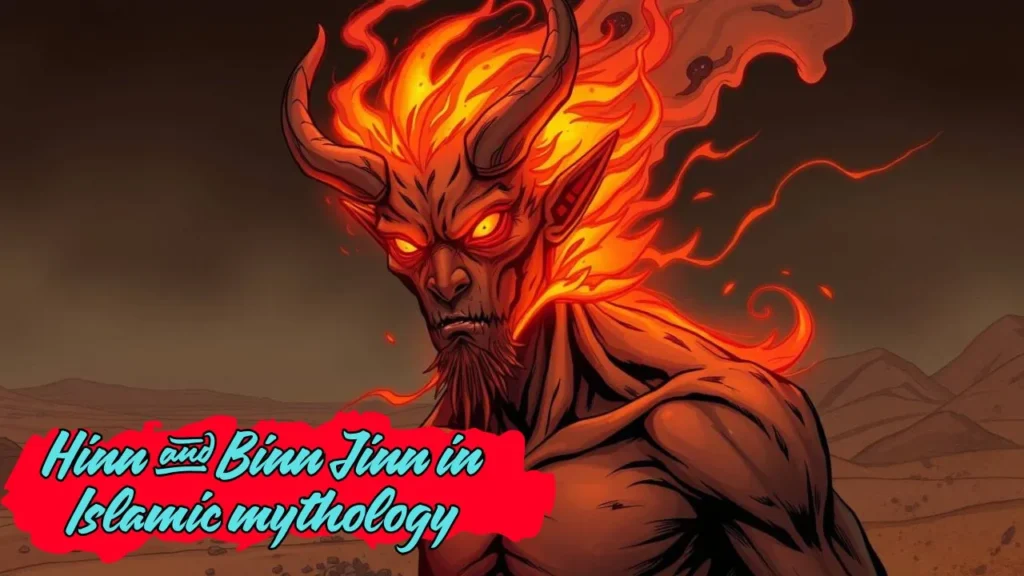
In Arabic mythology, the Hinn jinn spirit of the wind are often portrayed as savage, monstrous beings, sometimes described with animalistic features or terrifying appearances.
Unlike later jinn who were intelligent, organized, and capable of belief or disbelief, the Hinn were viewed as more instinct-driven and destructive.
Over time, the term “Hinn” became symbolic of ancient chaos and pre-Adamic creatures that existed before order was established on Earth.
Although not widely discussed in modern Islamic teachings, Hinn jinn remain an important part of early Islamic cosmology and Arab mythological history.
They represent a forgotten era of creation, reminding believers that humanity was not the first intelligent presence on Earth and that unseen worlds existed long before us.
Origins of the Hinn jinn in Islamic mythology
Among the ancient mythologies of the Middle East, there is a mysterious group of beings known as the Hinn.
Although they are less well known than the Djinn, the Hinn are believed to be powerful elemental spirits connected to wind, fire, and the hidden forces of nature.
They are said to live in deserts, ruins, and isolated places where human presence is rare. In folklore, the Hinn are often described as both guardians and tricksters.
For spiritual practitioners and those who work with subtle energies, the Hinn symbolize deep transformation, purification, and spiritual awakening.
In Arab folklore and Islamic esoteric traditions, the Hinn jinn are considered one of the earliest types of spiritual beings created by divine will.
Some traditions suggest they existed long before the creation of Adam, making them pre-human entities.
They are often described as being formed from pure fire and wind, linking them closely to elemental forces.
Other beliefs connect the Hinn to the natural power of the earth itself, especially storms, whirlwinds, and sudden bursts of fire seen in desert landscapes.
The nature of the Hinn changes depending on the story. In some accounts, they are seen as protective beings who guard sacred or forbidden places.
In others, they are feared as dangerous spirits that challenge travelers, mislead humans, or punish those who show disrespect toward the land. This dual nature is essential to understanding the Hinn.
They are not entirely good or entirely evil, but instead represent untamed spiritual energy.
Overall, the Hinn jinn embody the raw, unpredictable forces of the unseen world. They remind humans of the ancient powers that exist beyond physical reality and the importance of respecting both nature and the spiritual realms connected to it.
Symbolism of the Hinn Jinn in Islam
The Hinn jinn in Islam symbolize the untamed forces of nature and spirit. Unlike Djinn, who are often described with human-like emotions and social structures, the Hinn are more primal and elemental.
They are deeply connected to forces such as wind that cannot be held and fire that refuses to be controlled. This makes them powerful representations of raw energy, instinct, and transformation.
The symbolism of the Hinn can be understood through several key elements:
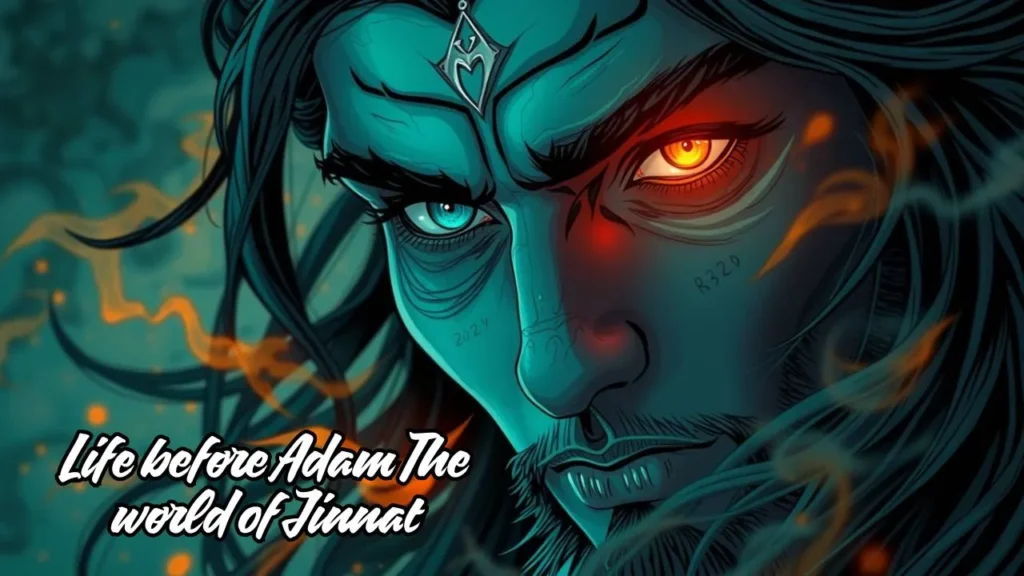
Wind and Movement:
The Hinn jinn spirit of the wind, fire and hidden realms are closely associated with wind and sudden motion.
This symbolizes freedom, constant change, and the unseen currents of fate that guide life in unexpected directions. Like the wind, the Hinn cannot be captured or predicted, reminding us that not all forces are meant to be controlled.
Fire and Purification:
Fire is another central symbol linked to the Hinn. It represents the destruction of illusion, the burning away of stagnation, and the purification of the spirit.
Through fire, old patterns are destroyed so new growth can emerge, making the Hinn symbols of renewal through challenge.
Hidden Realms:
The Hinn jinn are said to dwell in ruins, deserts, and in-between spaces where worlds meet. These liminal places represent thresholds—points of transition where powerful change occurs.
They teach that true power often lies in forgotten, overlooked, or abandoned spaces.
To work with the Hinn is to learn balance. It means understanding how to move with life’s storms rather than resisting them, gaining strength from chaos without being consumed by it.
Hinn Jinn as a spiritual Guardian in Islamic legend
Despite their fearsome reputation, the Hinn are often regarded as guardians and powerful allies by those who approach them with humility and respect.
Their connection to fire and air makes them especially effective protectors against dark energies, parasitic entities, and psychic disturbances.
When invoked with proper intention, the presence of the Hinn is said to create a swirling current of energy that disorients and disperses negative forces, leaving the practitioner spiritually fortified.
In desert-based traditions and ancient folklore, the Hinn jinn spirit of wind and fire are believed to guard hidden knowledge preserved within ruins, abandoned settlements, and remote sacred locations.
These places are seen as repositories of ancient wisdom, and the Hinn act as keepers of secrets that are not meant for the unprepared.
Practitioners who earn their favour may receive guidance through visions, dreams, or sudden insights that lead them toward deeper spiritual understanding or inner transformation.
However, the Hinn are not spirits to be approached casually. Disrespect toward their domains, arrogance, or careless intentions can result in severe trials.
These challenges are said to strip individuals of comfort, illusions, and false security, forcing them to confront their inner weaknesses.
Such experiences are not always meant as punishment but as harsh lessons designed to teach respect, awareness, and spiritual discipline.
The Hinn reflect the uncompromising nature of elemental forces themselves. They reward sincerity and wisdom, yet respond swiftly to disrespect.
For those willing to walk their path with caution and reverence, the Hinn jinn the spirit of hidden realms can become fierce protectors and guides through the unseen realms.
Connecting with the Hinn jinn the spirit of wind in Spiritual Practice
Modern energy workers can connect with the archetype of the Hinn in several practical and symbolic ways.
Rather than literal summoning, these practices focus on working with the qualities the Hinn represent—movement, purification, protection, and transformation.
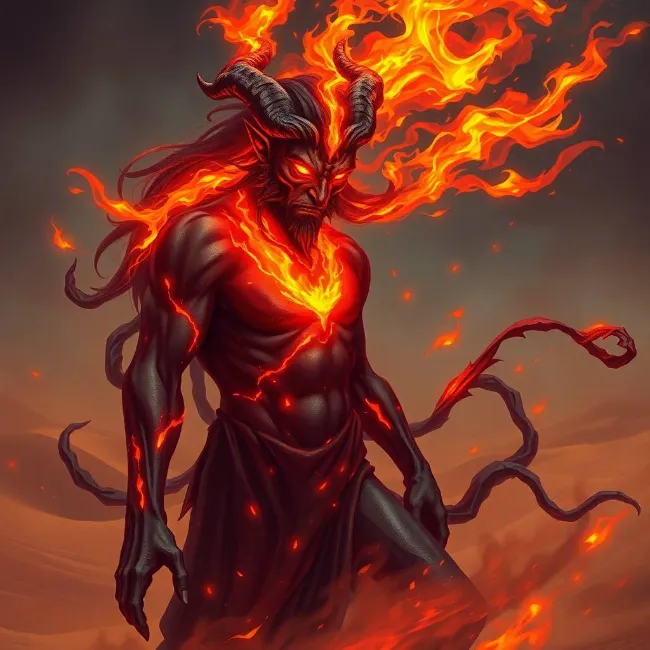
Ritual of the Wind
Stand outdoors where you can feel a natural breeze. Close your eyes and imagine the wind as the presence of the Hinn moving through your energy field.
Visualize it clearing away heaviness, stagnation, and doubt. Speak your intentions aloud and allow the wind to carry your words into the unseen, trusting that the message has been received.
Fire Meditation
Sit quietly before a candle or open flame and invoke the Hinn as guardians of fire and inner clarity. Gaze softly into the flickering light and imagine it as a gateway to hidden awareness.
Ask the Hinn jinn as a spirit of fire and wind to burn away false beliefs, illusions, and confusion, replacing them with insight and purpose.
Protection Work
Call upon the Hinn symbolically as protectors of your spiritual boundaries. Visualize them forming a shield around your space as swirling winds and radiant fire.
See negative influences scattered and dissolved, unable to take form or find direction.
Shadow Integration
As beings linked to fire and truth, the Hinn are associated with revealing what lies beneath the surface. Write down fears, doubts, or emotional blocks you’ve been avoiding.
Safely burn or symbolically release them, asking the Hinn to transform this energy into resilience, awareness, and strength.
Through these practices, the Hinn serve not as beings to control, but as powerful symbols of elemental transformation—teaching balance, respect, and conscious movement through life’s storms.
Read : Arabian mythical creature Ghoul the eater of life force and 5 strange things to know
The Dual Nature of the Hinn Jinnat in Islam
One of the most powerful lessons taught by Hinn jinn the desert spirit of wind is the importance of balance with the elemental forces.
In Arabic mysticism, fire is seen as both a force of purification and destruction, while wind carries the breath of life yet has the power to reshape entire landscapes.
To connect with the Hinn is to recognize that true spiritual strength must always be guided by wisdom and restraint.
As Hinn a kind of jinn in Arabic myth, these beings mirror the attitude of those who approach them. When met with arrogance or a desire to dominate, the Hinn jinn in Islamic legend respond with chaos and uncontrolled energy.
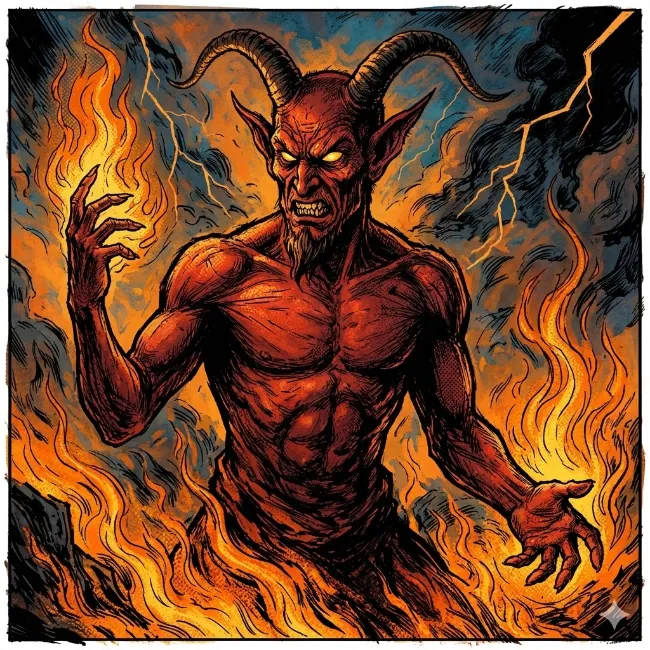
However, when approached with humility and respect, they offer insight, guidance, and empowerment. Because of this dual nature, the Hinn are often viewed as powerful teachers for individuals seeking control over their own emotional and spiritual turbulence.
Along the path of awakening, the Hinn remind seekers that spiritual growth is rarely peaceful or effortless.
Transformation often arrives through inner storms—periods of disruption that tear away outdated beliefs and habits.
In this sense, Hinn the desert spirit of wind act as allies during hardship, helping practitioners survive challenges and emerge renewed, clearer, and stronger.
The Hinn also symbolize the hidden layers of consciousness. Just as they are said to inhabit abandoned ruins and desolate deserts, they guide seekers into the forgotten corners of the mind—places where fear, trauma, and dormant potential remain buried.
Working with Hinn a kind of jinn in Arabic myth ultimately means confronting and embracing these neglected aspects of the self, transforming them into sources of awareness, resilience, and inner power.
Modern Relevance of Hinn and His Lesson
In the modern world, where uncertainty and chaos often prevail, the energy of Hinn the desert spirit of wind serves as a powerful ally.
These ancient beings teach us how to move with change instead of resisting it, how to let inner fire consume what has lost its purpose, and how to protect our spiritual boundaries from harmful influences.
As Hinn a kind of jinn in Arabic myth, they are especially valuable guides during periods of major transition, emotional turmoil, or deep inner cleansing.
Their combined essence of fire and air embodies courage, resilience, and adaptability—qualities that are essential for maintaining spiritual balance in unstable times.
Through their influence, practitioners learn not only how to survive chaos, but how to evolve through it.
The wisdom of the Hinn also carries clear spiritual principles. They remind us to respect unseen forces, as invisible energies often shape destiny more than what is immediately visible.
They encourage seekers to embrace the storm, understanding that true growth does not arise solely from peace, but from disruption and challenge.
Above all, Hinn the desert spirit of wind teaches the necessity of release. What no longer serves must be burned away for transformation to occur.
At the same time, they urge us to guard the thresholds of our inner and outer worlds, for sacred power resides in liminal spaces—those hidden crossings where profound change quietly waits to be discovered.
Read : Shiqq Jinn or Nasnas the spirit of Shadow fear and transformation 5 terrifying secret
The life before Adam Hinn Jinn in Islamic culture Conclusion
The Hinn are far more than ancient folklore; they are archetypal guardians of wind, fire, and the hidden realms of existence.
As Hinn the desert spirit of wind, their presence is both demanding and transformative, challenging those who encounter them while offering purification and empowerment to those willing to face their wild, unrestrained energy.
Through working with the Hinn, practitioners learn to release fear, move gracefully through life’s storms, and awaken deep inner transformation.
Often feared as dangerous desert entities, Hinn a kind of jinn in Arabic myth are, at their core, teachers of courage and resilience.
They reveal that strength is forged through hardship and that chaos is often the gateway to renewal.
Even in the most barren landscapes, they remind us that energy still flows, fire continues to burn, and life is constantly renewing itself beneath the surface.
For the spiritual seeker, Hinn jinn the desert spirit of wind stand as both ally and test. They embody shadow and flame, destruction and rebirth, guiding those who are ready toward clarity, inner strength, and spiritual awakening.
By honoring their lessons, seekers come to understand that true power is not found in control, but in the ability to endure, adapt, and rise transformed.
FAQ
Q. Who were Hinn and Binn in Islam?
In Islamic lore and early Arabic traditions, Hinn and Binn are believed to be ancient spirit beings who lived on Earth before humans and before most jinn. They are often described as early forms of jinn, sometimes linked to chaos, corruption, or rebellion. Some scholars and storytellers say they were eventually destroyed or banished due to spreading disorder, making them predecessors to modern jinn races.
Q. What are Hinn jinn in Islamic belief?
Hinn jinn are mentioned in pre-Islamic Arab mythology and later Islamic folklore as wild, powerful spirits closely connected to deserts, wind, and fire. Unlike common jinn, the Hinn are often portrayed as more primal and untamed. While they are not explicitly detailed in the Quran, they appear in classical narratives as beings that influenced early spiritual and elemental forces.
Q. What does 🧿 mean in Islam?
The 🧿 symbol, commonly known as the evil eye, represents protection against jealousy, envy, and harmful gazes. In Islam, belief in the evil eye itself is acknowledged, as it is mentioned in hadith. However, using symbols or charms like 🧿 for protection is discouraged, since protection should come from Allah alone through duʿāʾ, Quranic verses (such as Ayat al-Kursi), and faith—not objects.
Q. What is the strongest jinn?
In Islamic belief, no jinn is stronger than Allah, and power among jinn varies greatly. However, Ifrit jinn are commonly described as among the strongest and most dangerous types due to their intelligence, strength, and rebellious nature. Iblis (Azazil before his fall) is also considered extremely powerful, but his strength comes from longevity and influence rather than physical dominance alone.
Q. What are Jann, Azazil, jinn, Hinn, Binn, Timm, and Rimm?
These names represent different spiritual beings or classifications found in Islamic lore and ancient Arabic tradition:
Jann: One of the earliest types of jinn, often associated with deserts and wilderness
Azazil: The original name of Iblis before his rebellion
Jinn: Created from smokeless fire, possessing free will
Hinn: Wild, ancient desert spirits linked to wind and chaos
Binn: Often paired with Hinn as early earth-dwelling spirits
Timm & Rimm: Lesser-known primordial beings mentioned in folklore, sometimes described as shadows, ruins-dwellers, or vanished races
These categories come mainly from Islamic folklore and classical Arabic sources, not all from the Quran directly.